
Neighbors building Maple Leaf together
The Maple Leaf Community Council is a volunteer-run neighborhood organization. We connect neighbors, host traditions, publish the Leaflet, and give Maple Leaf a voice at City Hall.
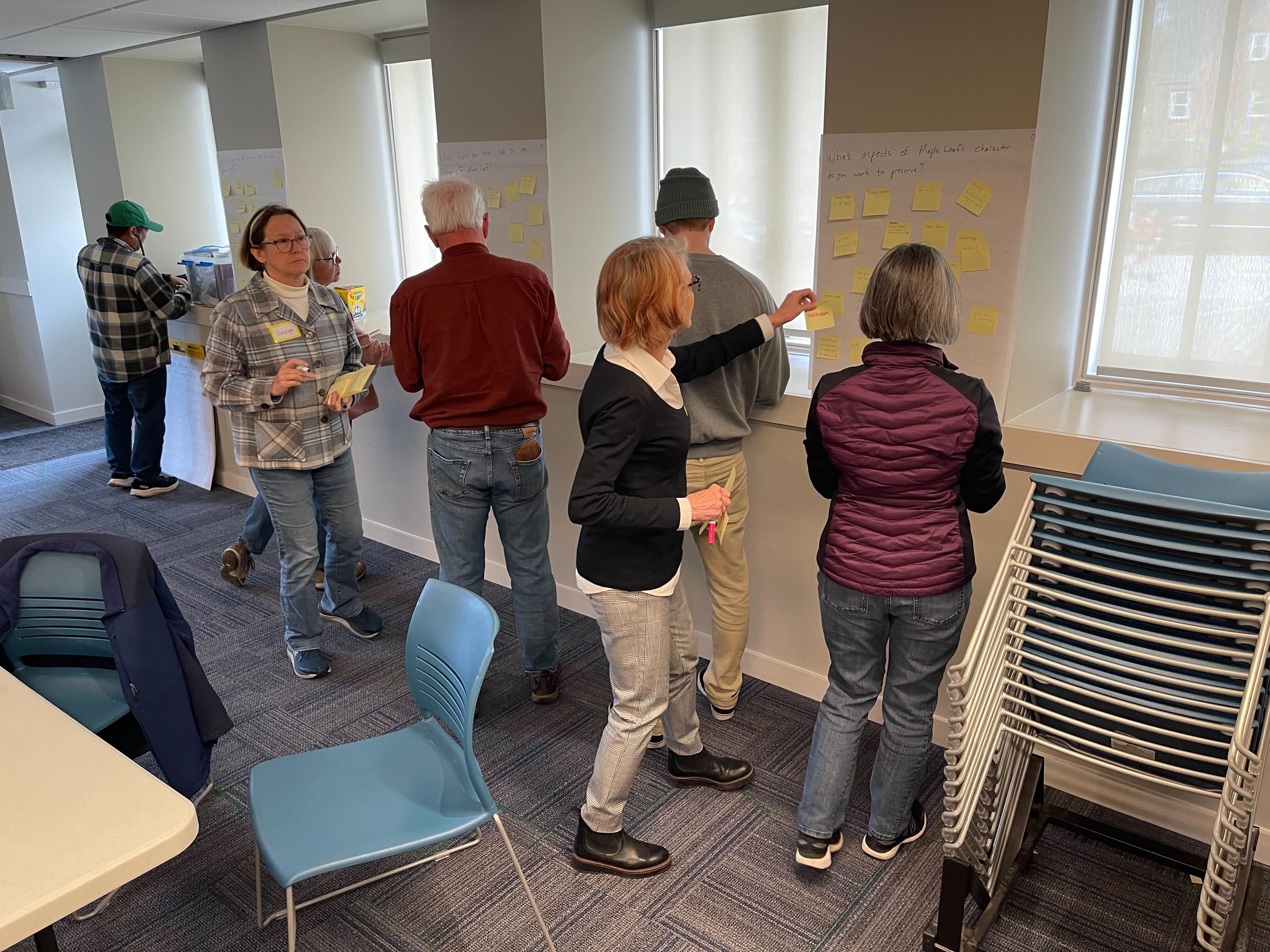
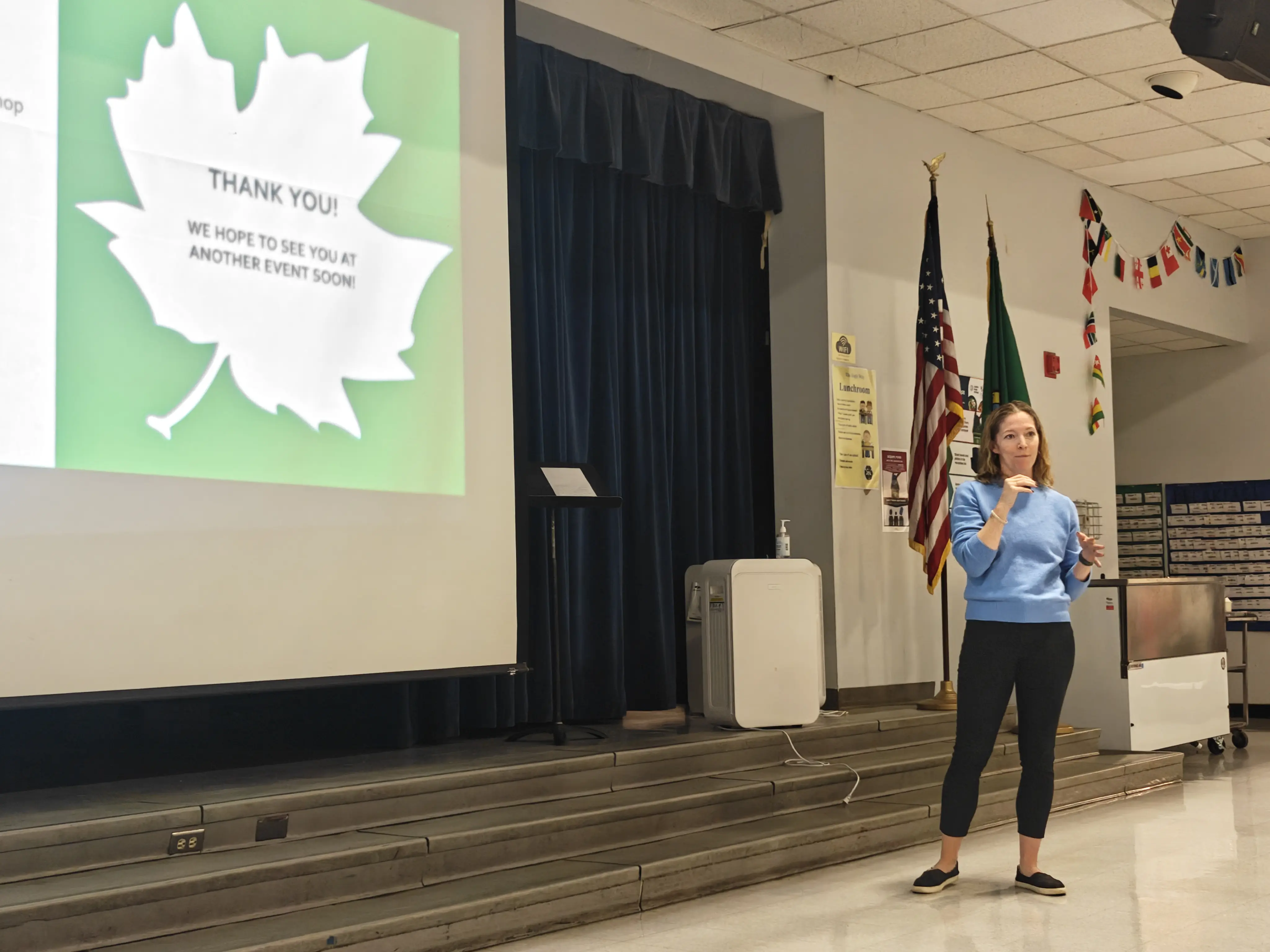
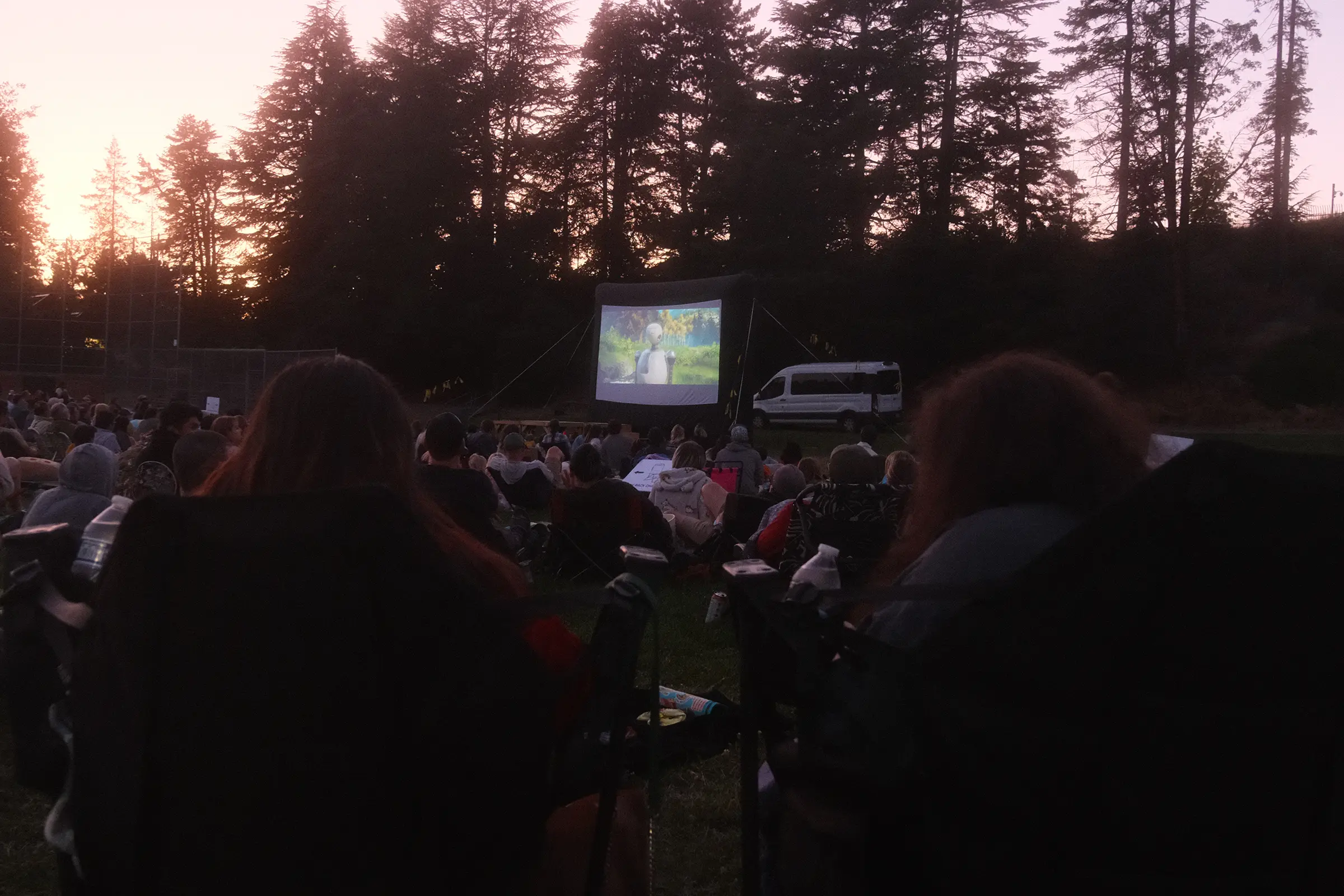
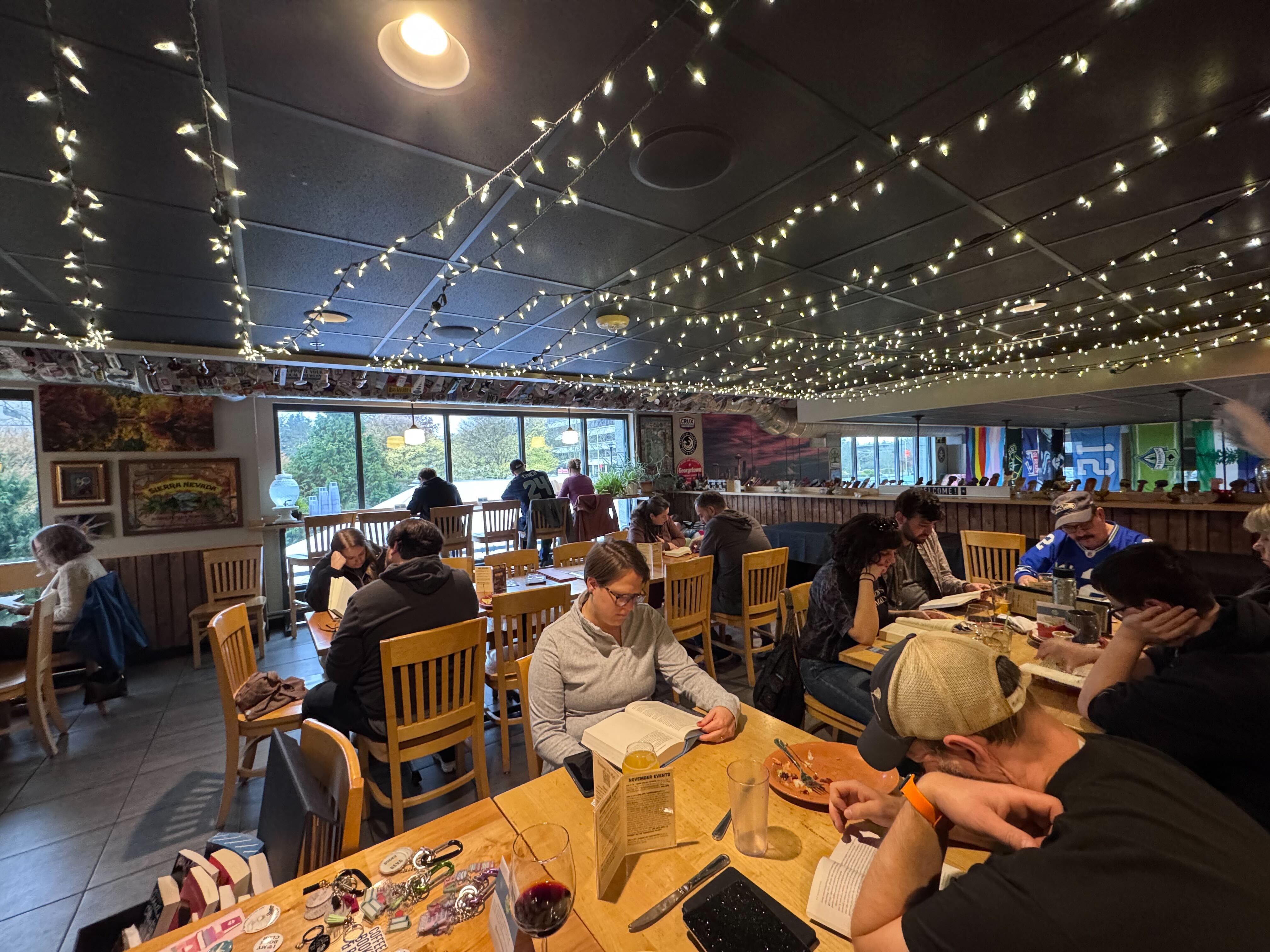
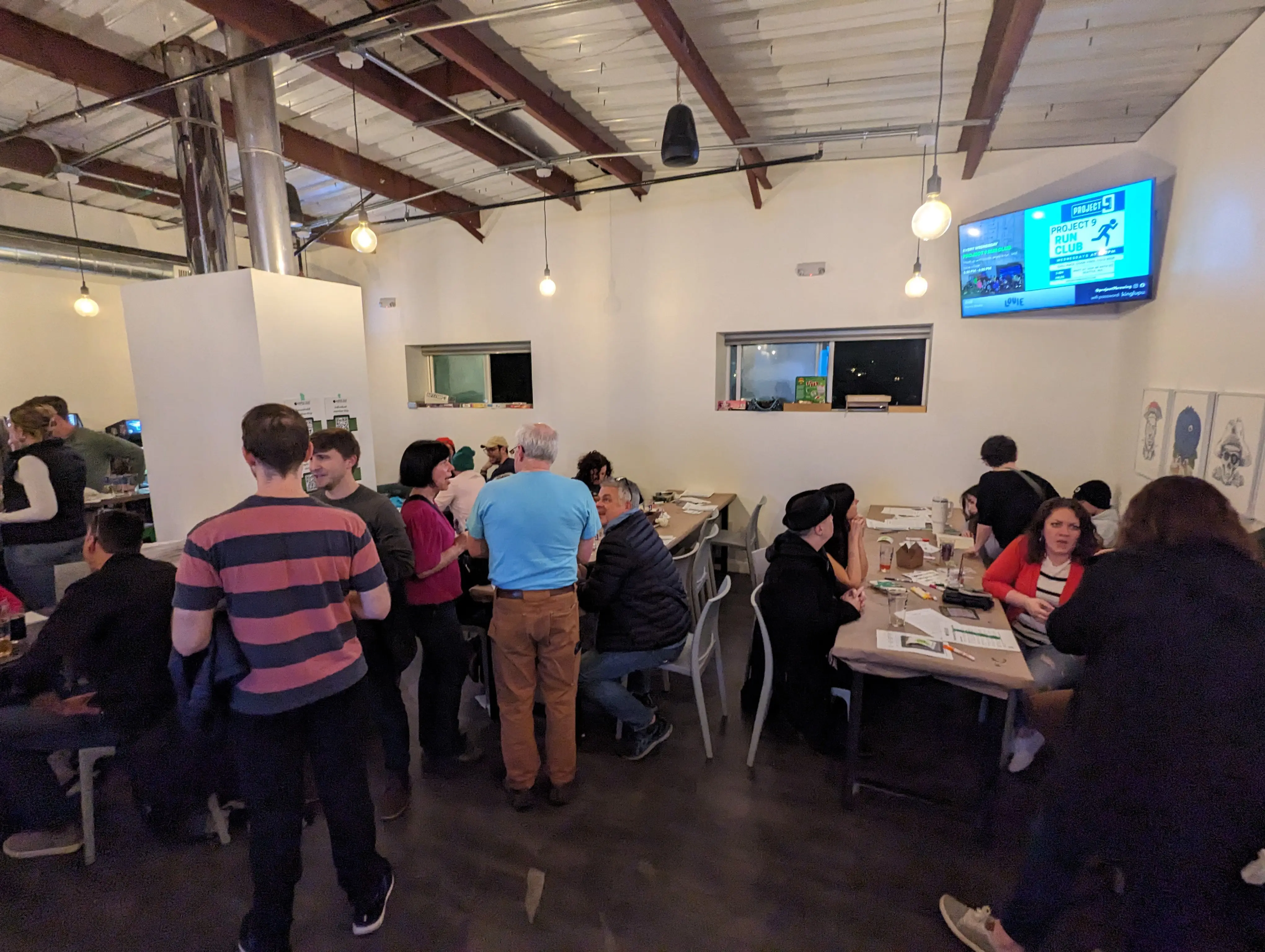
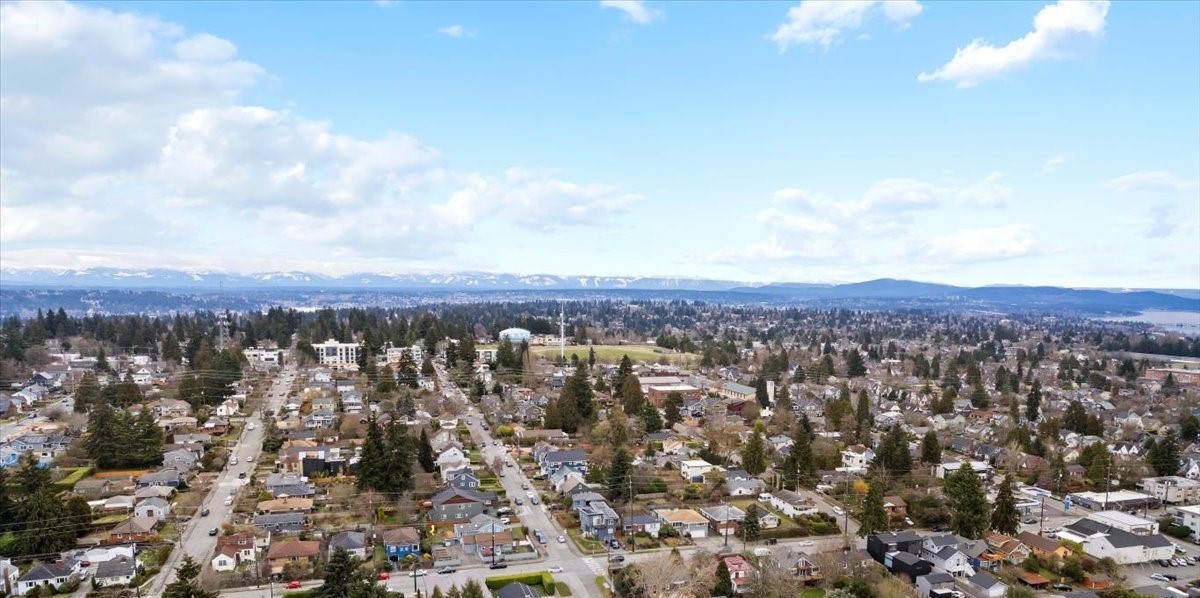
A neighborhood organization run by the people who live here
The Maple Leaf Community Council is a registered nonprofit and a recognized community council under Seattle's neighborhood engagement system, not a government agency, and not a staff office. Just neighbors who care about this place.
Four ways neighbors experience the council
Most people know us through everyday life: a newsletter on the doorstep, a parade in October, a summer gathering in the park. Committees handle the day-to-day; the board sets direction.
Publish the Leaflet
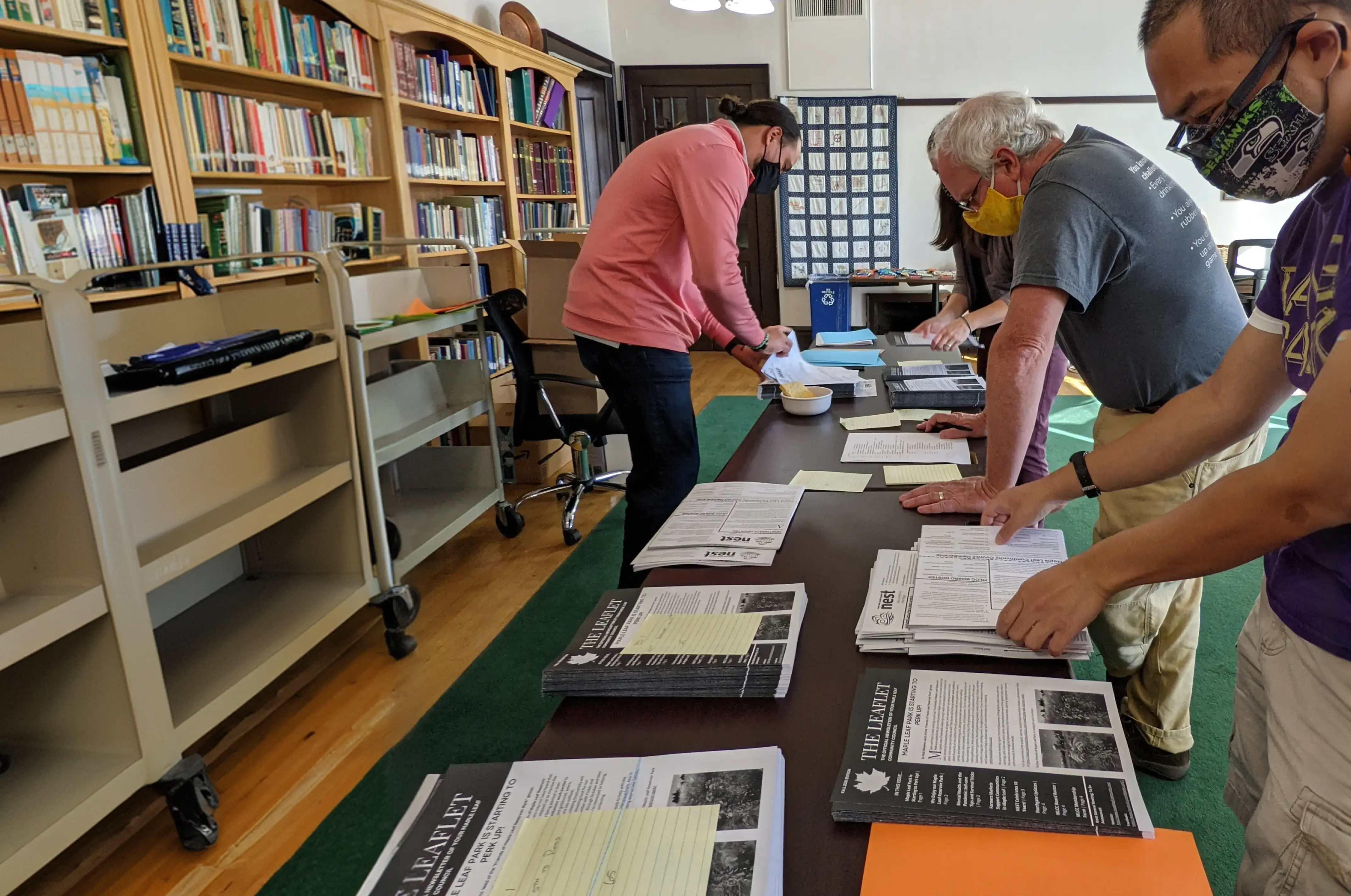
Seattle's last printed neighborhood newsletter, written, designed, and delivered door to door by volunteers across Maple Leaf.
Host neighborhood events
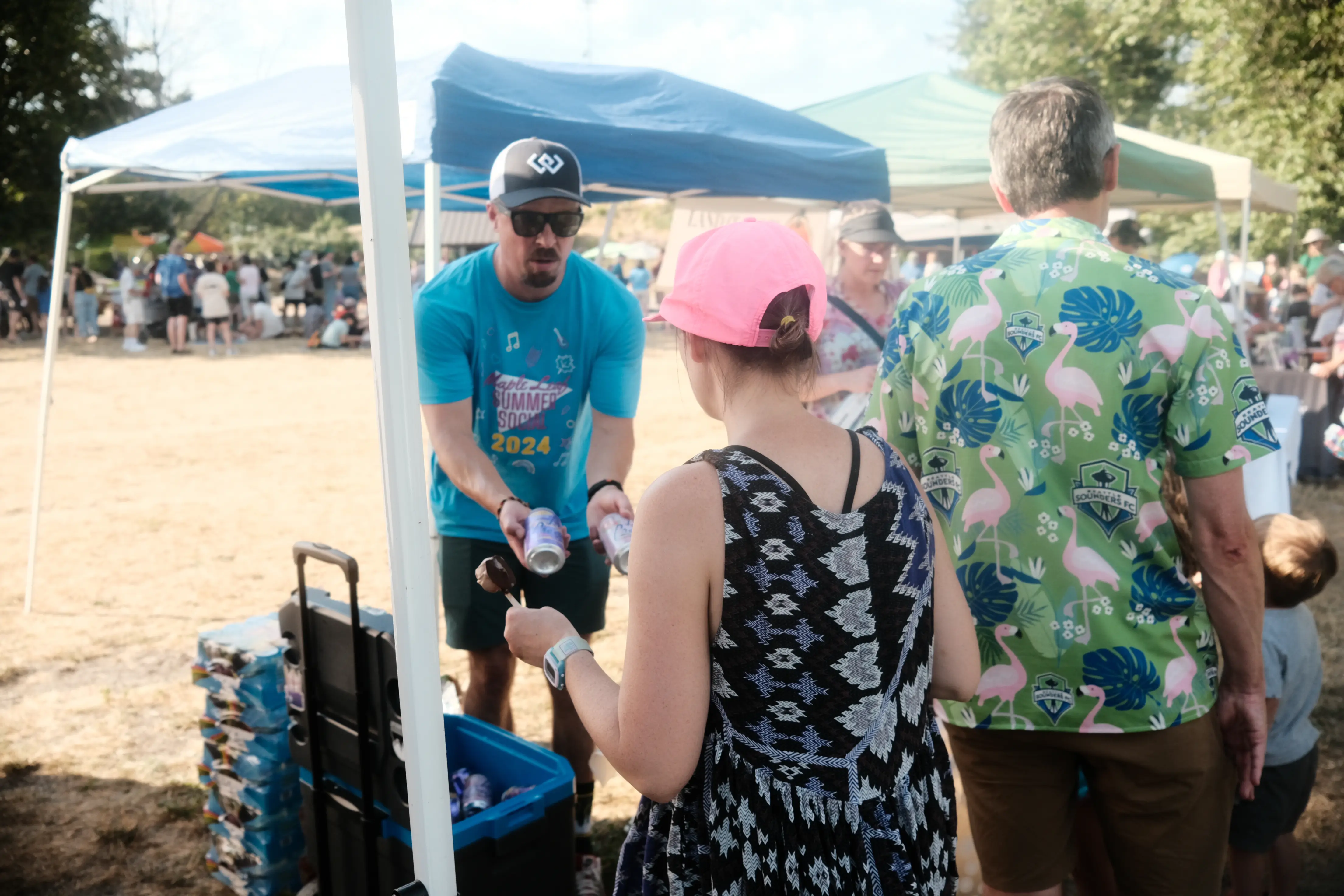
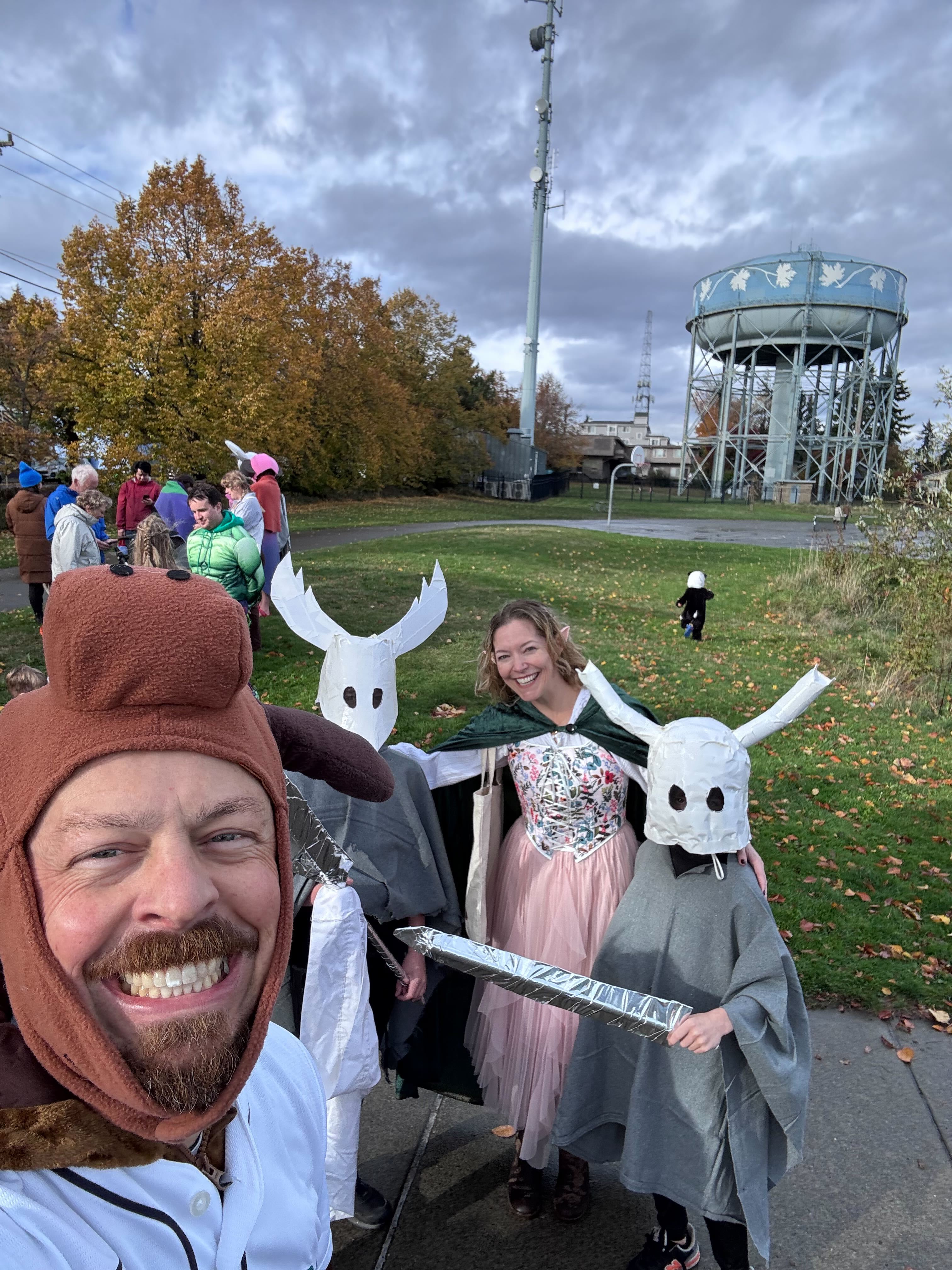
From the Summer Social and Halloween Parade to Movies by the Tower and Silent Book Club, gatherings that keep neighbors connected.
Advocate for Maple Leaf
Through relationships with city partners, volunteers raise awareness on zoning, transportation, public safety, and other issues neighbors care about.
Prepare for emergencies
The Emergency Hub committee helps neighbors get ready for earthquakes and stay connected when disasters strike.
Raising awareness where it counts
When Seattle makes decisions that shape Maple Leaf, we lean on relationships we've built to share what neighbors care about and help keep our community in the conversation. We listen, show up prepared, and work to raise awareness, knowing outcomes are never guaranteed.
Run by volunteers who show up
Board members, committee volunteers, Leaflet deliverers, and event planners, every role matters, and there's room for however much time you have to give. Those traditions don't happen on their own. They're planned, funded, and carried out by people who live here.
Explore committeesDecades of neighbors showing up for Maple Leaf
The council has been part of Maple Leaf long enough that many neighbors experience it not as an organization, but simply as part of life here: a parade in the fall, a newsletter at the door, a summer gathering. What's easy to miss is that none of it happens on its own.
30+
years of the Summer Social bringing neighbors together in the park.
50+
volunteers deliver the printed Leaflet to every doorstep each issue.
4,500+
neighbors attend MLCC events each year, roughly everyone who lives in Maple Leaf. Past board members, route volunteers, and quiet supporters have carried these traditions forward for generations.
Room for what's next, and for you
Maple Leaf is growing and changing. The council's job is to hold onto what makes this neighborhood feel like home while making room for new ideas, and new neighbors ready to help carry them forward.
Building a council that can keep saying yes
New families move in, longtime neighbors stay rooted, and the questions we face keep evolving. These are the priorities guiding us through 2026 and beyond.
10% membership by 2026
Growing from 5% to 10% of Maple Leaf households lets us sustain the Leaflet, core events, and emergency hub operations.
Keep traditions going
The Halloween Parade, Summer Social, and printed Leaflet are worth protecting, and growing membership helps us say yes to what's next.
Stronger advocacy
More voices at community meetings and deeper capacity on city policy, from zoning workshops to street safety.
Room for new ideas
Neighbor-led traditions like Movies by the Tower and Silent Book Club started because someone asked a question. We want more of that.
Closing the gap between attendance and support
More than 4,500 neighbors attend MLCC events each year, roughly everyone who lives here. Yet only about 5% financially support the council. Growing to 10% by the end of 2026 lets us do more of what neighbors already love.
The future gets written by neighbors who show up
That future isn't written yet. It gets written at a committee meeting, on a Leaflet route, behind a membership, or with a new event proposal. However you want to be involved, there's a place for you here.
How neighbors get the work done
Committees are the engine of the council: events, the newsletter, advocacy, communications, emergency preparedness, and local business. Each team is run by volunteers. No special résumé required.
Explore all committeesWrite, design, and coordinate door-to-door delivery of the Leaflet across Maple Leaf.
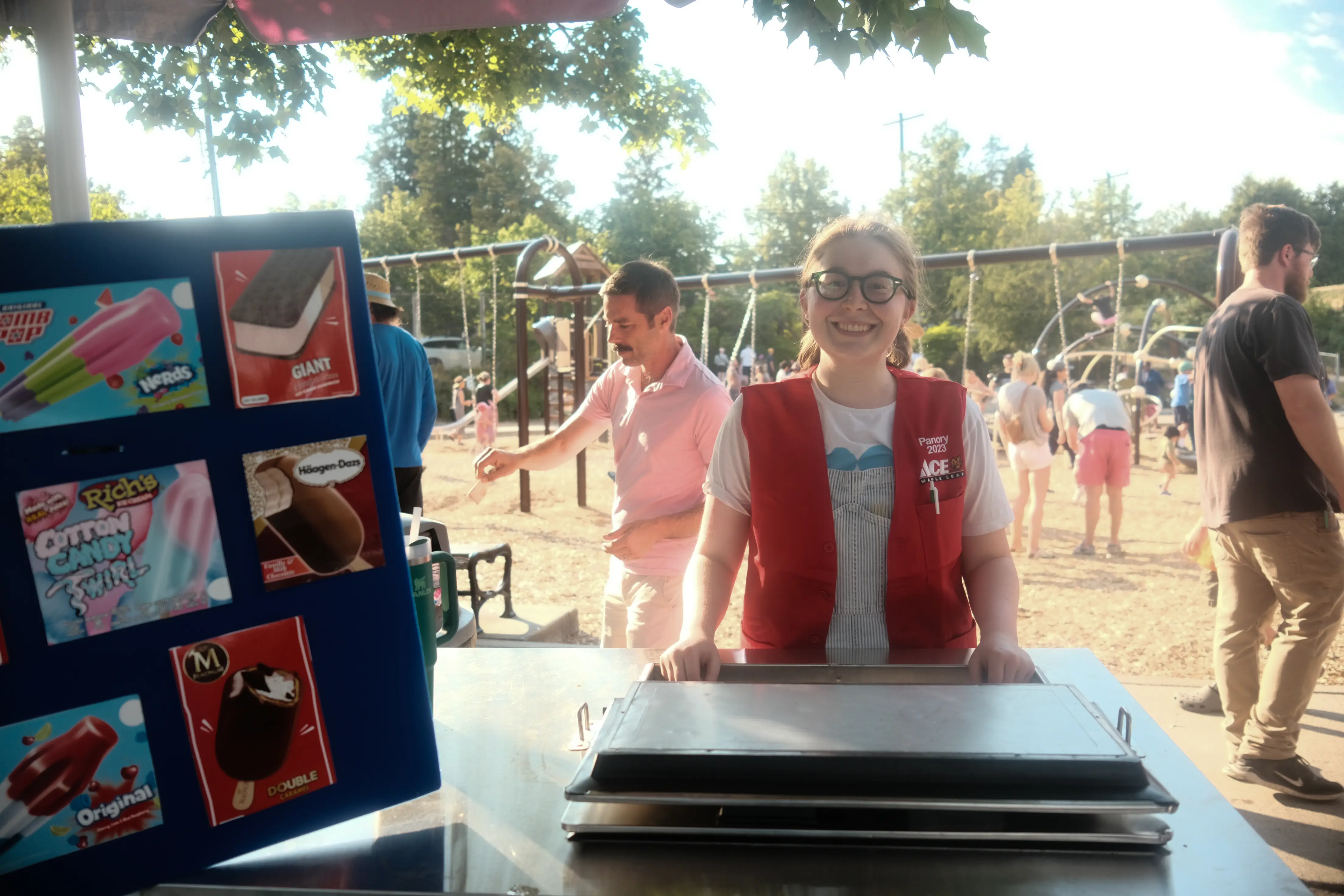
Plan neighborhood traditions like the Summer Social, Movie Nights, and the Halloween Parade.
Help neighbors prepare for earthquakes and stay connected when emergencies strike.
Share council news through email, social media, and outreach across the neighborhood.
Give Maple Leaf a voice on city policy, zoning, and decisions that shape the neighborhood.
Build relationships between the council and Maple Leaf’s shops, restaurants, and local businesses.
Traditions neighbors look forward to, and room for new ones
More than 4,500 neighbors attend MLCC events each year. From decades-old gatherings to neighbor-led ideas that started just last summer, events are how Maple Leaf stays connected.
See upcoming eventsNeighbors who steward the organization
The MLCC board is made up of Maple Leaf residents elected by members. They set direction for the council, oversee finances, represent the neighborhood in city processes, and support the committees doing the day-to-day work. Many current board members started as volunteers, delivering the Leaflet, helping at an event, or joining a committee conversation.
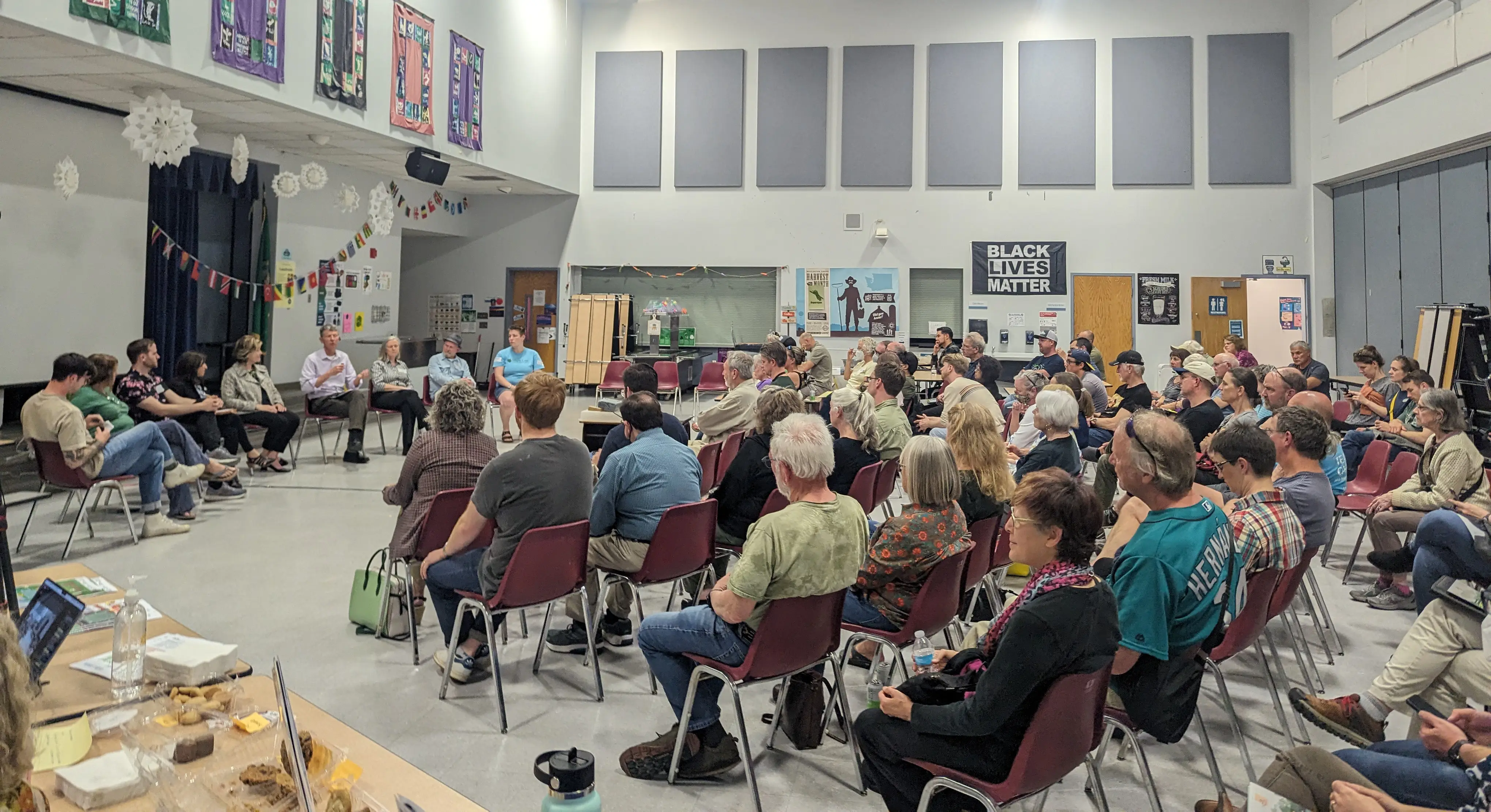
Board meetings are open to the public. If you want to understand how decisions get made, or you're curious about serving yourself, that's the best place to start.
Meet the board“The Maple Leaf Community Council doesn't exist apart from the neighborhood. It exists because of it, built by neighbors, sustained by neighbors.”
From the Leaflet
However you show up, Maple Leaf is stronger for it
Volunteer on a committee, become a member, or bring a new idea forward. Every form of involvement helps keep traditions alive and makes room for what's next.